Maintenance that catches the small things — before they become the expensive ones.
Quality maintenance using detailed inspection techniques to lower long-term costs and prevent emergency repairs. On a contract, on your schedule, on your terms.
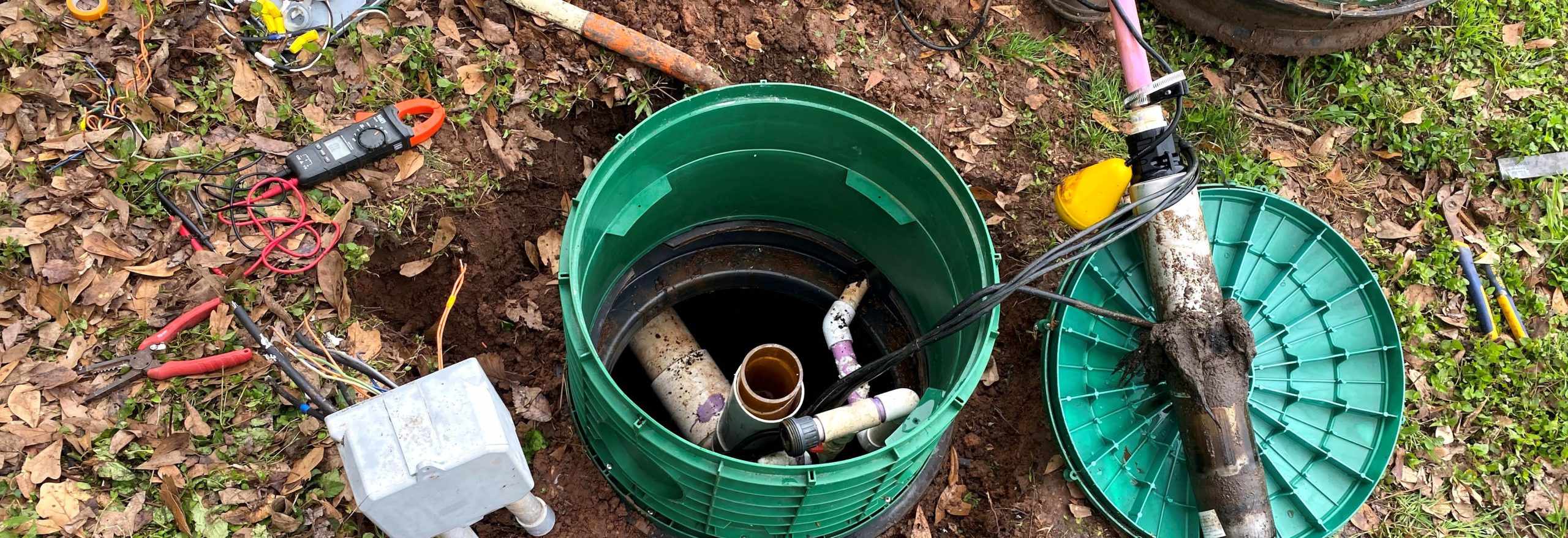
Quality maintenance using detailed inspection techniques to lower long-term costs and prevent emergency repairs. On a contract, on your schedule, on your terms.
A visit isn't a glance in the tank. It's a walk-through of every component — mechanical, electrical, and chemical — with a written record you can hand to a buyer or a regulator.
| Aerator & pump check | Verify airflow, pump cycles, and treatment unit function. Note run-hours and any degradation. |
| Control panel & alarms | Confirm the panel is powered, alarm circuit is live, and the audible/visible signal will fire when it needs to. |
| Effluent quality | Visual and chemical inspection of treated effluent — clarity, chlorine residual, odor. |
| Sludge & scum depth | Measure levels and flag when a pump-out should be scheduled — before backup, not after. |
| Disposal area walk | Inspect spray heads or drip lines, check for surfacing, wet spots, or vegetation stress. |
| Written report | Every visit generates a report you can file, forward, or hand to a real-estate transaction. |
Sludge and scum build up in every tank — that's normal. When levels approach the outlet baffle, the tank needs a professional pump-out. Skip it, and solids move downstream into the treatment unit or disposal field, where they cause damage that costs far more than pumping.
Our vacuum service is performed by our own team — no third-party handoffs — with the levels documented in your maintenance record.
Buying or selling a property with an aerobic system? The buyer's lender will typically require documented inspection of the OSSF. We provide the written report and can explain findings to either side of the transaction.
Because we install and maintain systems in this area, we know what's normal for the soils and what's genuinely a red flag — and we say so plainly.
Homeowner guidance
Aerobic systems disinfect treated effluent with chlorine before it hits the disposal field. Without a chlorine residual, you're spraying under-treated water — which is both a health issue and a regulatory issue.
The right refill interval depends on household size and water use. We'll walk you through what your specific system needs during your handover or first visit.
Use only chlorine tablets made for wastewater.
Pool tablets contain the wrong chemistry — they will damage your treatment unit.
Check the chlorinator tube regularly.
Peek in every few weeks. Refill before it runs empty — not the day after.
Never mix tablet types.
Some tablet chemistries react with each other. If you switch brands, let the tube run empty first.
Ask us what your system uses.
Not sure? Call — we'll check your records and tell you exactly what to buy.
The system is a machine. Machines like clean inputs and steady operating conditions. Homeowners who follow a few basic habits see fewer service calls over the life of the system.
It coats the tank, the pumps, and the pipes. Wipe the pan.
Six loads in one day overwhelms the treatment cycle.
Pee, poop, and (toilet) paper. Everything else is a clog waiting to happen.
Weight compacts soil and can crush drip lines and spray heads.
Auto-Tracts Contracts
Texas requires aerobic system owners to keep an active maintenance contract on file. We built Auto-Tracts so you never have to think about renewal paperwork again — sign, pay, and manage everything online.
$22
per month
Contracts start at $22 / month with Auto-Tracts. Pricing depends on your system and service interval — we'll quote your exact contract when you sign up.
Sign up onlineAlarms fire for one of a handful of reasons — power interruption to the aerator, high water in the pump tank, or a pump/timer issue. Silence the audible if needed, but leave the alarm circuit alone and call us. The alarm is the system telling you something specific; we'll ask a couple of diagnostic questions on the phone and dispatch if needed.
It depends on household size and water use — there isn't one interval that fits everyone. Check the tube regularly and refill before it runs empty. When we set up your system we'll give you the interval to start with; from there you'll dial it in for your household.
The Texas OSSF program specifies inspection intervals for aerobic systems — the exact frequency is spelled out in your maintenance contract. We schedule the visits, log them, and file the required documentation with the authority.
Yes — call or email us and we'll send a fresh copy of the manual for your specific treatment unit, along with any records we have on file for the system.
Yes. You can switch providers when your current contract ends. Give us a call — we'll walk you through the switch and get your Auto-Tracts account set up.